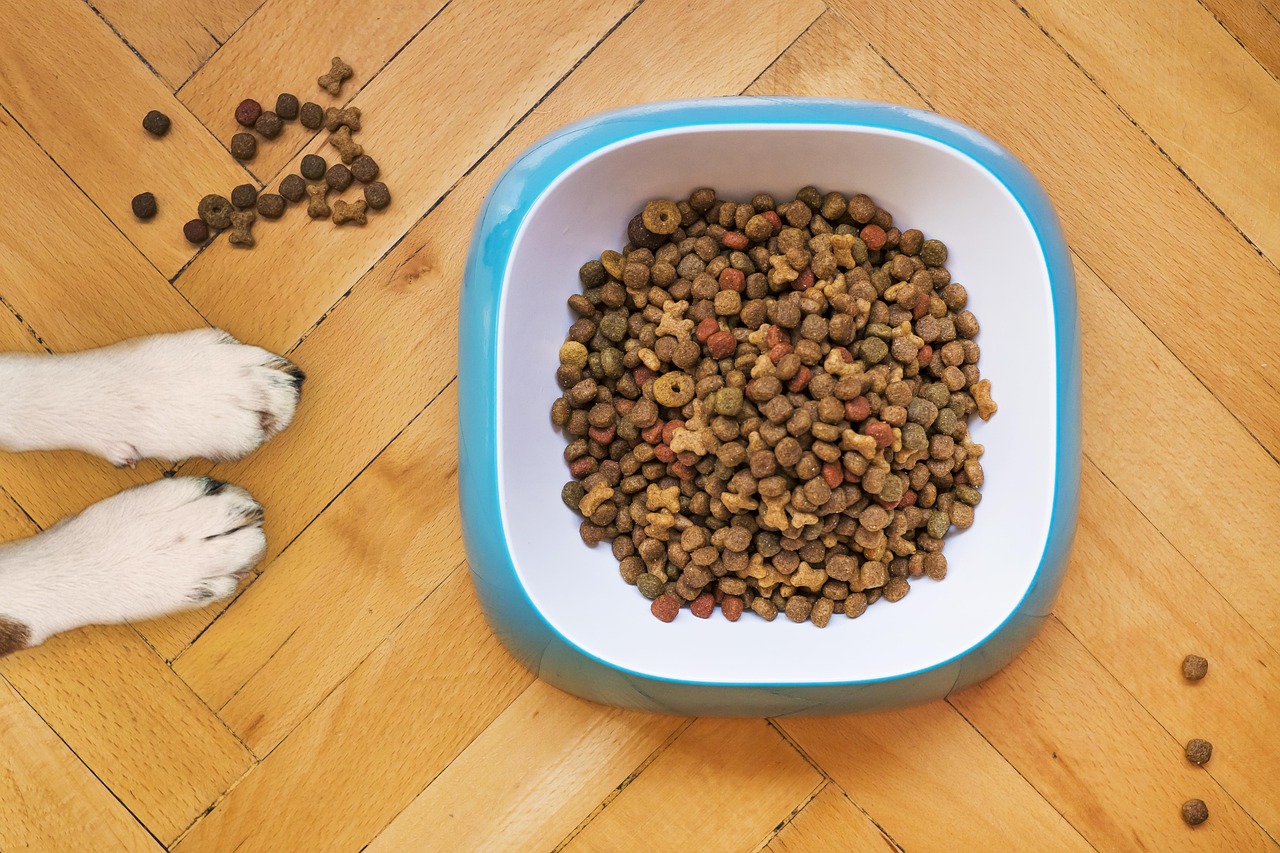
Essential Balanced Diet Tips for Senior Dogs
As our beloved dogs age, their dietary needs change. Senior dogs, generally considered to be those over the age of 7, require carefully balanced diets to maintain their health and vitality. This guide provides essential tips on how to feed your aging pet to promote longevity and life quality.
Understanding the Nutritional Needs of Senior Dogs
Senior dogs are less active and have slower metabolisms, which can lead to weight gain if their diets are not adjusted. On the other hand, some older dogs may lose weight due to decreased muscle mass and other health issues, making it essential to strike the right balance in their nutrition.
Key nutrients include high-quality proteins to help maintain muscle mass, reduced calories to prevent obesity, increased fiber for gastrointestinal health, and appropriate levels of fats and carbohydrates. It’s also crucial to provide diets low in sodium to support heart health and enriched with essential fatty acids to enhance cognitive function and skin health.
Choosing the Right Dog Food for an Aging Pet
Choosing the correct type of food is crucial for your senior dog’s health. High-quality commercial diets specifically formulated for senior dogs often meet these adjusted nutritional requirements. Yet, every dog is unique, and what works for one might not suit another.
Consulting with a veterinarian can help you choose a diet that supports your dog’s specific health needs. Whether you opt for dry kibble, canned food, or a hybrid of sorts, ensure it’s tailored for senior dogs with the right balance of nutrients.
Considerations for Homemade Diets
Some pet owners prefer providing homemade meals. If you choose this route, it’s essential to understand that senior dogs have specific dietary needs that must be precisely met.
Ensure meals are nutritionally balanced, which often requires adding supplements such as calcium or fish oil under veterinary guidance. Ingredients should be cooked well to aid digestibility, and spicy or rich foods should be avoided to prevent gastric issues.
Supplementing Your Senior Dog’s Diet
Supplements can play an integral role in a senior dog’s diet. With age, dogs can develop various health issues that might be mitigated with the right supplements:
- Glucosamine and chondroitin: Promote joint health.
- Probiotics: Enhance gut health.
- Antioxidants: Such as vitamins E and C, can combat age-related oxidative stress.
- Omega-3 fatty acids: Improve coat health and have anti-inflammatory properties that can help with arthritis.
While supplements can benefit, they should not replace a nutritionally balanced diet and should only be used under the advice of a vet.
Feeding Schedule and Portion Control
With age, a dog’s appetite and eating habits can change. Maintaining a regular feeding schedule helps regulate their metabolism and keeps them from becoming overweight. Consistency in feeding times and controlled portion sizes, tailored to the dog’s changing energy needs, is critical.
An excellent method to manage this is by splitting their daily food intake into two meals a day, which can aid in digestion and nutrient absorption.
Special Dietary Considerations for Senior Dogs with Health Issues
Many senior dogs develop chronic health issues like kidney disease, heart disease, or diabetes. These conditions often require specific dietary adjustments. For instance:
- Dogs with kidney diseases: May benefit from diets low in phosphorus and protein.
- Heart disease: Often requires low-salt diets.
- Diabetic dogs: Need consistent carbohydrate levels in each meal to manage blood sugar levels.
Hydration Is Key
Hydration is equally important for senior dogs. Ensure your dog has constant access to fresh water, particularly if they eat primarily dry food. Chronic dehydration can lead to serious health issues, especially in older dogs.
Regular Veterinary Checkups
Regular check-ups with the vet are more crucial as your dog ages. These visits provide the perfect opportunity to adjust dietary plans based on comprehensive health screens. Blood tests, for example, can help tailor diets to help manage any emerging health issues.
Final Thoughts on Feeding Your Senior Dog
Maintaining a balanced diet is critical for the health of senior dogs. By understanding their nutritional needs, choosing the right food, managing their portions, and making necessary adjustments for health issues, you can significantly enhance the quality and length of your dog’s life.
Always remember, each dog is unique, and their needs can differ markedly, so frequent collaboration with your veterinarian is essential to ensure your senior dog remains happy, healthy, and well-nourished through their golden years.
FAQs
What is the best food for elderly dogs?
The best food for elderly dogs generally includes diets specifically formulated for senior dogs, rich in high-quality proteins, lower in calories, and enhanced with specific nutrients like omega-3 fatty acids and dietary fiber.
How much should I feed my senior dog?
The amount to feed a senior dog depends on their weight, activity level, and any health concerns. It’s best to discuss a feeding plan and portion sizes with your veterinarian.
Can senior dogs eat puppy food?
Puppy food is generally not recommended for senior dogs as it is higher in calories and nutrients intended for growing puppies rather than maintaining the health of an older dog.