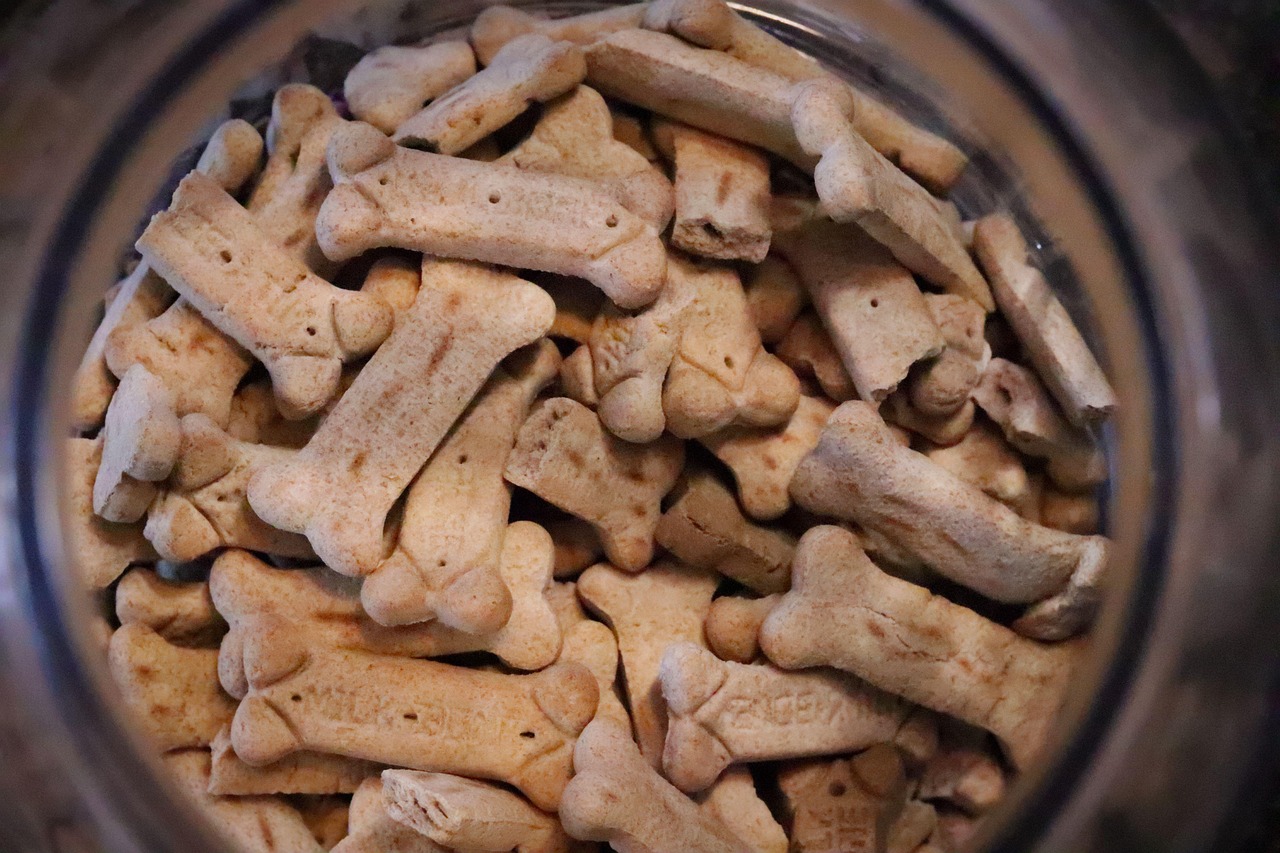
Exploring Safe Vegetarian Dog Food Options
With the rising trend in vegetarian and vegan lifestyles, pet owners are increasingly curious about the viability and safety of vegetarian diets for their dogs. Choosing a vegetarian diet for your dog can be a health-conscious and ethical decision, but it comes with its challenges and considerations.
Understanding Canine Nutrition Requirements
Dogs, unlike cats, are omnivores, which means they can theoretically thrive on a plant-based diet if it provides all the necessary nutrients. The key nutrients necessary for a dog’s health include proteins, fats, carbohydrates, vitamins, and minerals. While traditional dog diets include meat as a primary source of protein, finding the right balance with vegetarian ingredients requires careful planning and understanding of canine nutrition.
Protein Sources in Vegetarian Dog Food
Proteins are essential for muscle repair, skin health, and overall growth in dogs. Vegetarian diets can utilize various plant-based proteins such as lentils, chickpeas, quinoa, and soy. However, the bioavailability of these proteins can differ significantly from meat-based proteins. Including a variety of protein sources can help ensure that your dog receives all essential amino acids.
Fats and Carbohydrates
Fats are crucial for energy, whereas carbohydrates provide fiber and support digestion. Good sources of fats in vegetarian diets include flaxseed and coconut oil, which offer essential fatty acids like omega-3 and omega-6. Carbohydrates can be sourced from whole grains such as brown rice and barley, which are also beneficial for their fiber content.
Selecting High-Quality Vegetarian Dog Food
While choosing vegetarian dog food, it’s important to look for products that are balanced and formulated to meet all of your pet’s nutritional needs. Look for brands that have conducted feeding trials and adhere to the nutritional standards set by the Association of American Feed Control Officials (AAFCO).
What to Look for on the Label
Check the ingredient list for high-quality, whole-food ingredients and avoid foods containing excessive fillers like corn, wheat, and by-products. The label should clearly state that the food meets the nutritional levels established by the AAFCO for complete and balanced dog food.
Health Benefits of a Vegetarian Diet for Dogs
Many proponents of vegetarian dog diets claim benefits such as reduced allergy symptoms, better coat condition, and improved overall health. Some studies suggest that a well-planned vegetarian diet might help in managing specific health issues like obesity, arthritis, and digestive disorders.
Potential Concerns with Vegetarian Diets
Transitioning to a vegetarian diet poses certain risks if not properly managed. The primary concern is nutritional deficiency, particularly in proteins and essential amino acids. Other concerns include the balance of calcium to phosphorus and the inclusion of enough omega fatty acids.
Taurine and L-Carnitine Deficiencies
Two critical nutrients that are often lacking in vegetarian dog diets are taurine and L-carnitine, both of which are important for heart health. These nutrients are typically found in animal products, so vegetarian diets might need to be supplemented to prevent deficiencies.
Implementing a Vegetarian Diet Safely
Transitioning your dog to a vegetarian diet should be done gradually over several weeks. Start by mixing vegetarian dog food with their current food, slowly increasing the proportion of vegetarian food.
Tips for Home-Made Vegetarian Dog Food
For those opting to prepare homemade vegetarian dog food, consult with a veterinary nutritionist to design recipes that fulfill all nutritional requirements. Here are some common ingredients used in homemade diets:
– Cooked lentils or chickpeas
– Sweet potatoes or squash
– Carrots, peas, and green beans
– Rice or pasta
– Olive or flaxseed oil
Ensure that these meals are well-balanced with each serving.
FAQs on Vegetarian Dog Food
Is vegetarian dog food safe for puppies?
Extreme caution is advised when feeding vegetarian diets to puppies, as their growing bodies require a precise balance of nutrients, which can be difficult to achieve with vegetarian ingredients alone. Consulting with a veterinarian is crucial.
Can a dog be healthy on a vegetarian diet?
Yes, with careful planning and consideration of all nutritional needs, dogs can maintain health on a vegetarian diet. However, it is essential to monitor their health closely and adjust the diet as needed based on their condition and activity levels.
How do I switch my dog to a vegetarian diet?
Transitioning to a vegetarian diet should be done gradually to avoid digestive upset. Start by mixing a small amount of vegetarian dog food with their current diet, gradually increasing the percentage over time.
Conclusion
While vegetarian diets for dogs can be safe and healthy, they require diligent preparation and continual monitoring of nutritional intake. Whether choosing commercial vegetarian food or preparing meals at home, prioritizing your dog’s health along with ethical considerations can lead to a sustainable and beneficial regimen.
Discuss any dietary changes with your veterinarian to ensure that your dog’s nutritional needs are being met, and adjust the diet as required to address any health issues that arise. With the right approach, vegetarian dog food can be a viable option for pet owners seeking a plant-based lifestyle for their furry companions.