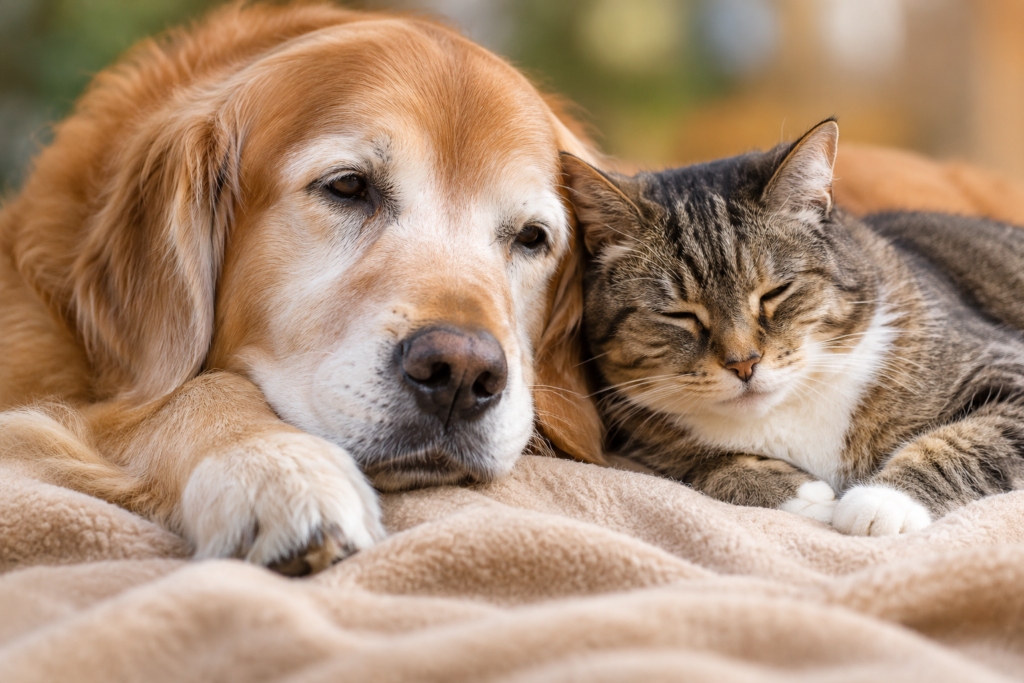
Our pets bring us years of love, loyalty and companionship. As dogs and cats grow older, their needs can change. At AllPetWellness, we want to help you understand these changes and discover practical ways to keep your older companions comfortable, healthy and happy.
Recognising the Signs of Ageing
As our beloved pets grow older, their needs gradually change. Just like people, dogs and cats can experience changes in their mobility, senses, sleep patterns and general health. Recognising these changes early can help us provide the care and comfort they need.
Common signs to look for include:
Stiffness and slower movement: Your pet may take longer to stand up or find stairs and jumping more difficult.
Changes in sleep: Older pets may sleep more during the day or become restless at night.
Changes in appetite or weight: Unexpected weight gain or loss, or eating less, may indicate a health problem.
Changes in behaviour: Some pets become less playful, more anxious or confused.
Changes in drinking or toileting: Increased thirst, frequent urination or accidents indoors should not simply be dismissed as old age.
How Can You Help?
Keep an eye on your pet’s everyday habits. Note anything unusual, when it started and whether it is getting worse. Arrange regular veterinary check-ups to help identify health conditions early.
Ageing itself is not an illness. Changes in movement, appetite or behaviour may indicate pain or a medical condition and should not automatically be attributed to old age.
Mobility and Joint Changes
Older pets may become stiff after resting, walk more slowly or hesitate before jumping. Cats may stop jumping onto favourite furniture.
Provide comfortable bedding, non-slip surfaces and easy access to food, water and resting places. If movement becomes difficult or your pet appears uncomfortable, seek veterinary advice. Arthritis and other causes of pain can often be managed with appropriate treatment.
Changes in Sleep and Behaviour
Some older pets sleep more, become restless at night or seem confused in familiar surroundings. Maintain a predictable routine and provide a quiet resting place and gentle companionship. Discuss sudden or significant behaviour changes with your veterinarian.
Keeping an Eye on General Health
Monitor your pet’s appetite, weight, drinking, grooming, toileting and energy levels. Persistent coughing, unusual lumps, difficulty breathing, repeated vomiting or unexplained weight loss warrant veterinary attention.
Remember
Ageing is a natural part of life, but discomfort and illness should not be accepted as inevitable. With observation, patience and appropriate veterinary care, we can help our older pets remain comfortable and enjoy their later years.
Small Changes Make a Difference
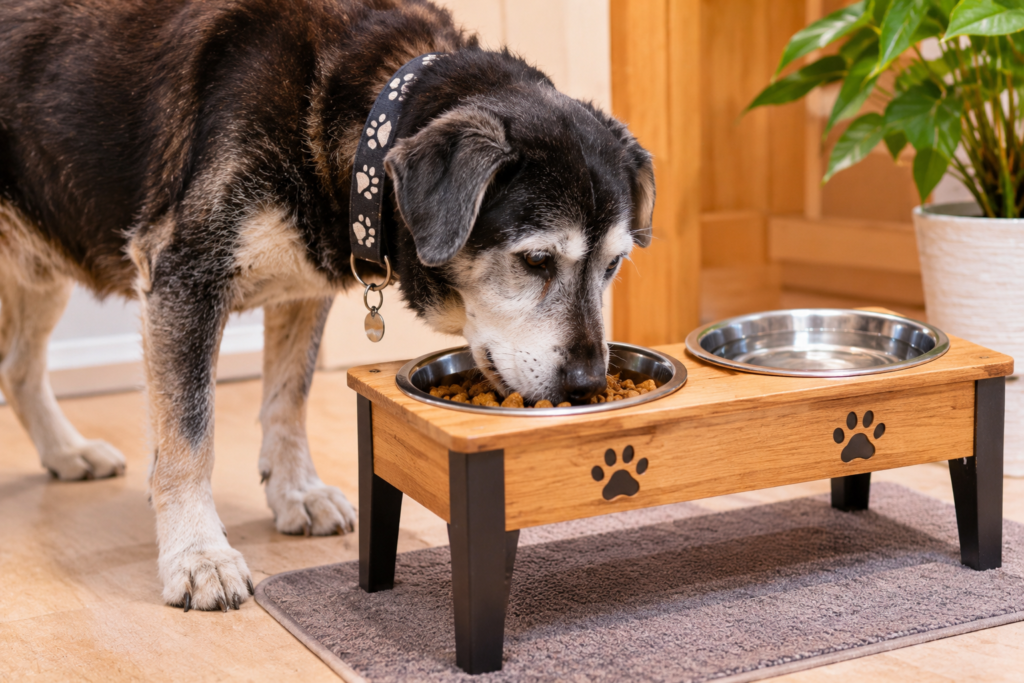
Raised food bowls, non-slip mats and easy access to favourite resting places can make everyday life more comfortable. Keep your pet’s surroundings familiar and routines consistent, and allow extra time for moving around. These small adjustments can help older pets feel safer and maintain their independence.
A little extra attention can make a big difference to your pet’s comfort and quality of life.
Nutrition and Weight in Later Life
As dogs and cats grow older, their nutritional needs can change. Their metabolism, activity levels, digestion and ability to maintain muscle may all be affected by ageing. Providing the right balance of nutrients can help support their health, strength and quality of life.
Choosing the Right Food
Older pets need a balanced diet that suits their individual needs. Some senior pets may benefit from food formulated for older animals, while others may need a different diet because of their health or activity level. A veterinarian can help you choose suitable food based on your pet’s age, weight and medical history.
Maintaining a Healthy Weight
Weight changes are common in older pets, but they should not be ignored. Less activity can lead to weight gain, while dental problems, illness or reduced appetite may cause weight loss. Excess weight can place additional strain on joints and make movement more difficult. Regularly checking your pet’s weight and body condition can help identify changes early.
Feeding Appropriate Portions
Follow the feeding guidance on your pet’s food as a starting point, remembering that individual needs vary. Treats and table scraps can add extra calories, so offer them sparingly. If your pet needs to lose or gain weight, ask your veterinarian to recommend an appropriate feeding plan rather than making major changes suddenly.
The Importance of Fresh Water
Always provide fresh, clean water. Older pets may find it harder to move around, so placing water bowls in convenient locations can encourage them to drink. If your pet suddenly starts drinking much more or less than usual, consult your veterinarian, as this may indicate a health concern.
Dental Health and Appetite
Dental disease, sore gums or missing teeth can make eating uncomfortable. Watch for dropping food, chewing on one side, bad breath or reluctance to eat. Some pets may find a different food texture easier to manage, but persistent eating difficulties should be checked by a veterinarian.
Recognising Changes in Eating Habits
Keep an eye on your pet’s appetite, weight and general behaviour. Unexplained weight loss, ongoing changes in appetite, vomiting, digestive problems or increased thirst should not simply be attributed to old age. Contact your veterinarian if you notice these changes.
Supporting Your Older Pet
Good nutrition is about more than choosing a particular brand of food. Regular weight checks, suitable portions, fresh water, dental care and veterinary advice all contribute to your pet’s wellbeing.
With thoughtful feeding and appropriate care, we can help our older companions stay comfortable, maintain their strength and enjoy their later years.
Healthy Habits in Later Life
Keep an eye on your pet’s weight and adjust food portions to suit their activity level and individual needs. Provide fresh water every day and limit extra treats. If you notice unexplained weight changes or a change in appetite, consult your veterinarian. Small, consistent steps can help your older pet stay healthy and comfortable.
Making Life Comfortable for Older Pets
As our pets age, small changes around the home can make a big difference to their comfort, safety and independence. Older dogs and cats may find it harder to move around, regulate their temperature or reach their favourite resting places. A few thoughtful adjustments can help them feel secure and comfortable.
A Comfortable Place to Rest
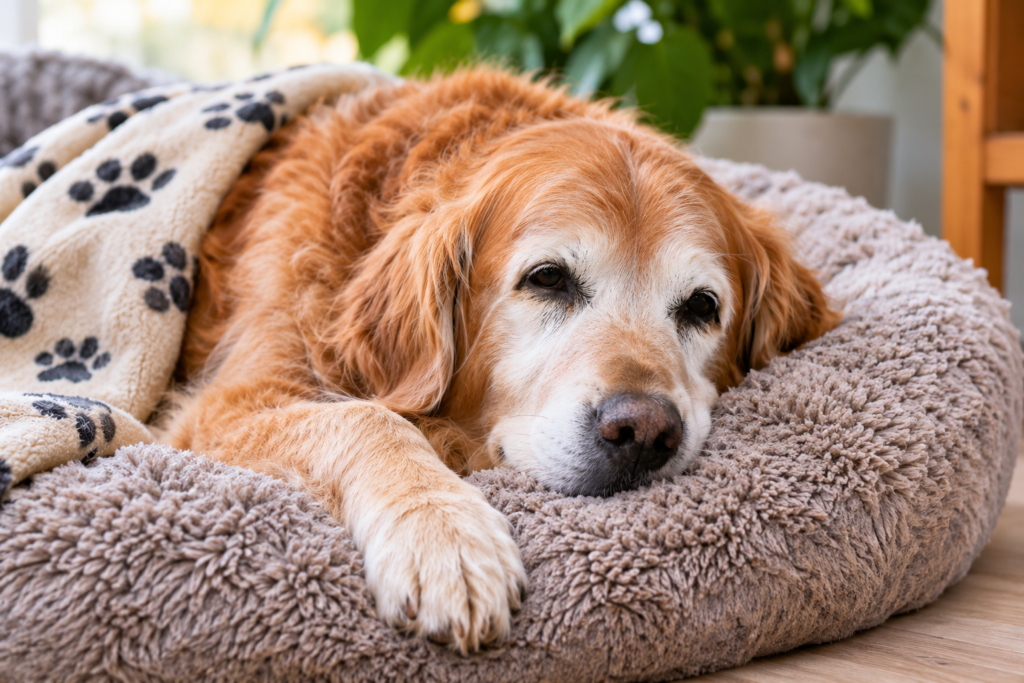
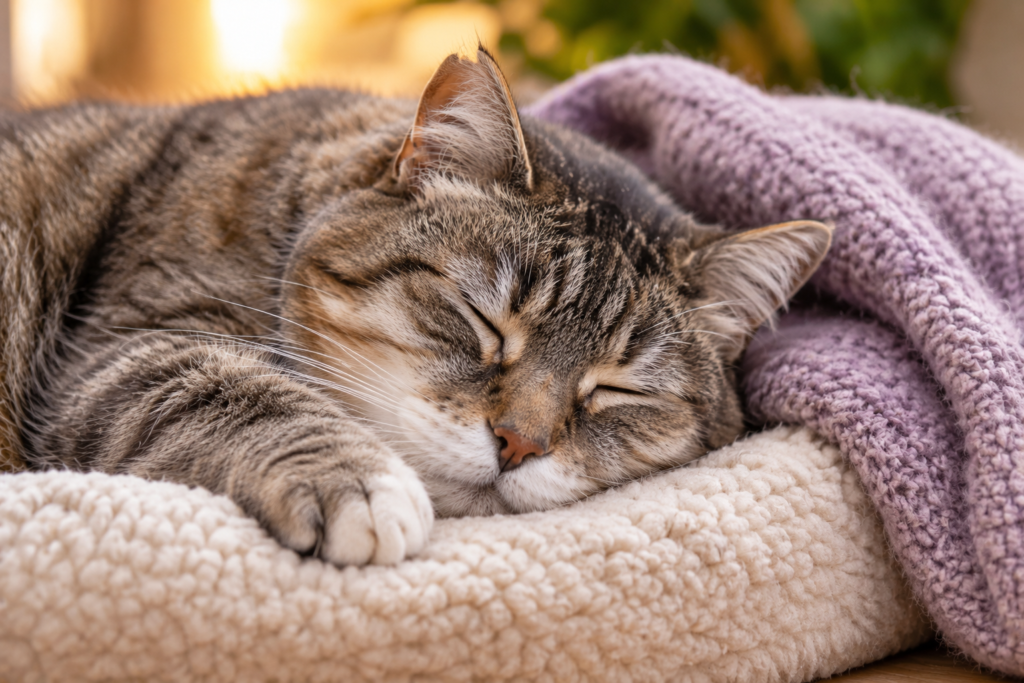
Older pets often appreciate a quiet, warm place where they can rest without being disturbed. Provide supportive, comfortable bedding that is easy to get into and out of. Keep beds away from cold draughts and ensure your pet can still be part of family life if they enjoy company.
Making the Home Safer
Stiff joints and reduced mobility can make slippery floors, stairs and high furniture more difficult to manage.
Use non-slip rugs or mats on slippery floors.
Provide steps or suitable ramps where appropriate.
Keep walkways clear of clutter.
Make sure food, water and resting areas are easy to reach.
Use night lights if your pet has difficulty moving around in dim lighting.
For cats, consider a litter tray with a low entrance if climbing in and out has become difficult.
Keeping Your Pet Clean and Well Groomed
Older pets may find grooming more difficult, particularly if they have stiff joints or a thick coat. Gentle brushing can help prevent tangles and gives you an opportunity to check for lumps, skin changes or sore areas.
Keep bedding clean and dry, and check that your pet’s nails are not becoming overgrown. If grooming or nail care causes discomfort, ask your veterinarian or a qualified groomer for help.
Temperature and Weather
Older animals may be more sensitive to cold or heat. Provide a warm resting place in cooler weather and access to shade and fresh water when it is warm. Never leave a pet in a hot vehicle, and avoid placing heated pads or hot-water bottles directly against their skin, as older pets may not move away quickly enough if they become too hot.
Maintaining Daily Routines
Familiar routines can help older pets feel secure. Try to keep feeding times, toilet breaks, walks and bedtime reasonably consistent. Allow extra time for getting up, moving around and going outside, without rushing or forcing your pet.
Giving Them Comfort and Companionship
Older pets still need affection, attention and opportunities to enjoy life. Spend time with them in ways they find comfortable, whether that means gentle brushing, sitting together or simply resting nearby. Respect their need for quiet time, too.
Remember
Every pet ages differently. Watch for changes in comfort, movement or daily habits, and discuss concerns with your veterinarian. With a few adjustments and plenty of patience, we can help our older companions feel safe, valued and loved throughout their later years.