Life can be busy, but that doesn’t mean you have to miss out on the companionship and happiness that pets bring. Whether you’re working full-time, managing a busy family or simply looking for a companion with less demanding care requirements, choosing the right animal can make a world of difference.
Some dogs and cats have relatively simple grooming needs, while others are more relaxed, adaptable or comfortable with quieter routines. However, every pet needs love, attention, appropriate exercise, good nutrition and regular veterinary care.
The secret to choosing a pet isn’t finding one that requires no effort. It’s finding a companion whose personality, activity level and care requirements suit your lifestyle.
In this guide, we’ll explore 20 dog and cat breeds that may suit different types of busy households, along with practical advice on grooming, health, exercise and companionship.
Understanding the Needs of Busy Pet Owners
Before choosing a pet, consider these important factors:
-
Temperament: Calm, relaxed animals may be easier to accommodate in households with predictable routines.
-
Exercise: Some breeds need considerably more physical activity and mental stimulation than others.
-
Grooming: Short-coated animals often require less coat maintenance, while long-haired breeds may need frequent brushing or professional grooming.
-
Independence: Some pets cope better with periods of solitude, although this varies between individuals.
-
Health: Certain breeds have inherited medical conditions that may require additional attention and expense.
-
Age: A settled adult animal may be more suitable than a puppy or kitten needing constant supervision and training.
Remember, breed characteristics are only a guide. Every animal has its own personality and needs.
15 Dog Breeds for Busy Pet Lovers
Dogs are social animals that need daily interaction, exercise and companionship. Some breeds have simpler grooming requirements or more relaxed temperaments, but no dog should routinely be left alone for excessive periods.
1. Greyhound: The Relaxed Companion
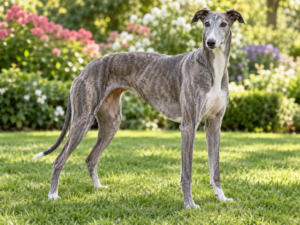 Despite their reputation as racing athletes, many retired Greyhounds are surprisingly calm and affectionate household companions. They often enjoy relaxing in comfortable surroundings. Their short coats require minimal grooming, making coat maintenance relatively straightforward. However, their thin skin and low body fat mean they may need protection during cold weather. Many retired racing Greyhounds adapt beautifully to family life. Best suited to: Owners looking for a gentle, relatively low-grooming adult dog who can provide daily exercise and companionship.
2. Chihuahua: The Tiny but Confident Companion
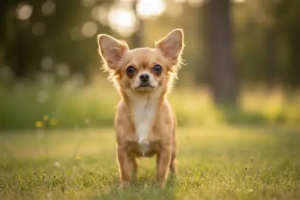
Chihuahuas may be tiny, but they have big personalities. Their compact size makes them suitable for smaller homes, although they still need exercise, socialisation and stimulation. Short-haired varieties need minimal grooming, while long-haired Chihuahuas require regular brushing. These loyal dogs form strong bonds with their owners and may experience separation anxiety. Best suited to: People seeking a small, affectionate companion who can provide regular attention.
3. Miniature Dachshund: The Spirited Little Character
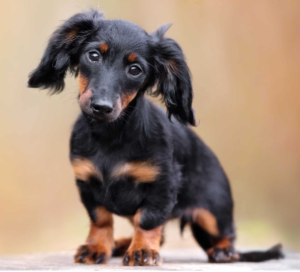 Miniature Dachshunds are affectionate, curious and intelligent dogs with distinctive long bodies and short legs. Their smaller size makes them suitable for many living arrangements, although they still need daily exercise and activities to keep their minds occupied .Smooth-coated Dachshunds require minimal grooming, while long-haired and wire-haired varieties need more coat care. Because of their body shape, Dachshunds are prone to spinal problems. Owners should manage their weight, minimise risky jumping and take appropriate precautions to protect their backs. Best suited to: Owners who enjoy a loyal, lively companion and can provide consistent training and suitable exercise.
4. Whippet: The Gentle Homebody
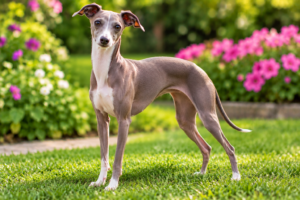
Whippets are gentle, affectionate dogs who love relaxing indoors despite their remarkable speed. They need daily walks and safe opportunities to run. Their short coats require minimal grooming, but they form strong bonds with their families and may dislike being left alone for long periods. Best suited to: People seeking a gentle, affectionate companion with easy grooming and moderate exercise needs.
5. Boston Terrier: The Friendly Little Companion
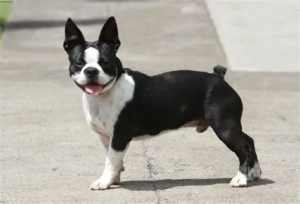
Boston Terriers are cheerful, affectionate dogs with distinctive markings and expressive faces. Their short coats need minimal grooming, and their compact size suits smaller homes. They enjoy daily play, moderate exercise and companionship. However, their short muzzles can cause breathing difficulties, overheating and other health problems requiring veterinary care. Best suited to: Owners seeking a friendly, low-grooming companion who understand the breed’s health risks and can provide regular attention.
6. Beagle: The Cheerful Family Companion
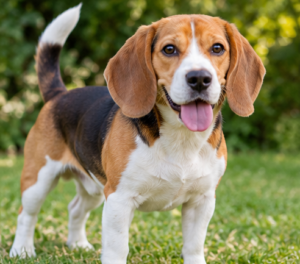 Beagles are friendly, curious and affectionate dogs known for their excellent sense of smell and sociable nature. Their short coats are relatively easy to maintain, although they shed and benefit from regular brushing. Beagles are energetic and enjoy exploring, walking and participating in family activities. Their strong scent-tracking instincts mean they need secure surroundings and plenty of mental stimulation. They are not particularly low-maintenance when it comes to exercise and may become bored or vocal if left without sufficient activity or companionship. Best suited to: Active families who want a friendly, relatively low-grooming dog.
7. Miniature Pinscher: The Confident Little Companion
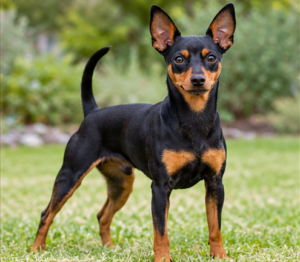 The Miniature Pinscher is a small, lively dog with a smooth coat and a confident personality. These intelligent dogs enjoy games, exploring and learning new activities. Their short coats require little grooming, making everyday coat maintenance simple. However, their energetic personalities mean they still need daily exercise, training and mental stimulation. Despite their small size, Miniature Pinschers are active dogs rather than quiet lap dogs. Best suited to: Owners looking for a small, easy-to-groom dog who can provide regular activity and attention.
8. Staffordshire Bull Terrier: The Affectionate Family Friend
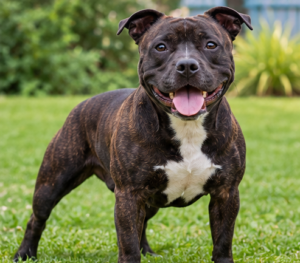 Staffordshire Bull Terriers are muscular, affectionate dogs that often develop strong bonds with their families. Their smooth, short coats require minimal grooming, making coat maintenance straightforward. However, these energetic dogs need daily exercise, positive training and plenty of companionship. They can be wonderful family pets when appropriately trained and socialised, although supervision around young children is important, as it is with every dog. Best suited to: Active households wanting an affectionate, relatively low-grooming companion.
9. Basenji: The Independent Explorer
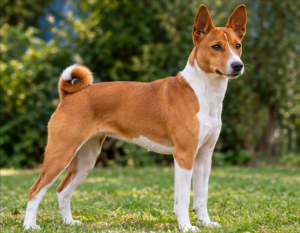 The Basenji is a distinctive breed known for its short coat, alert expression and unusual vocalisations rather than typical barking. These dogs are naturally clean and require relatively little grooming. nstincts mean secure exercise areas and consistent training are especially important. They may be less demanding in coat care but are certainly not low-maintenance in exercise or mental stimulation. Best suited to: Experienced dog owners who enjoy an active, intelligent companion.
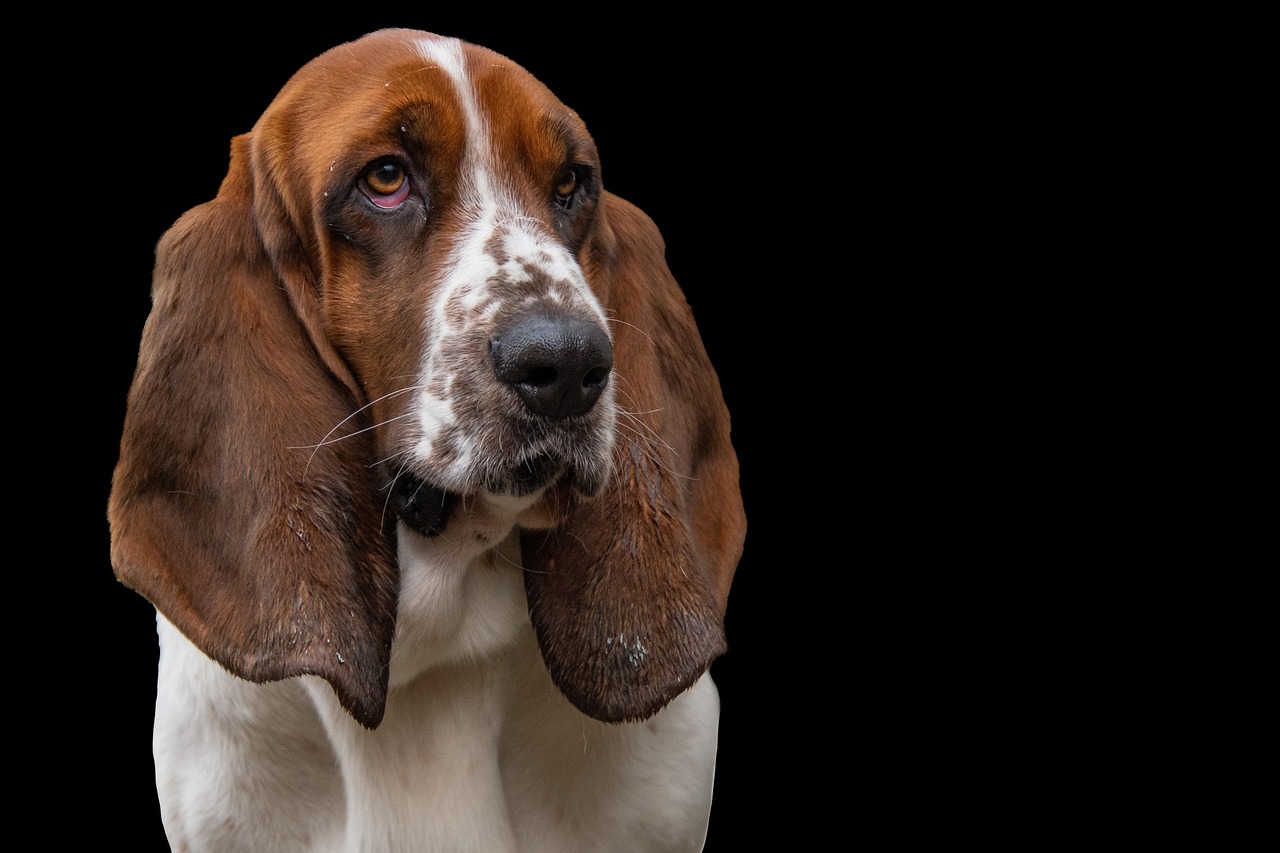
10. Basset Hound: The Relaxed and Gentle Companion
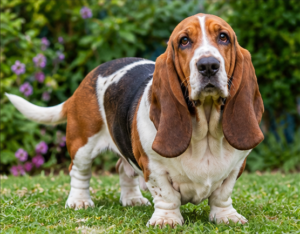 With their long ears, soulful eyes and laid-back personalities, Basset Hounds are often affectionate family companions. Their short coats are relatively easy to maintain, although they shed and require regular brushing. Basset Hounds enjoy a comfortable home environment but still need daily walks and opportunities to explore. Owners should pay particular attention to ear care, weight management, skin health and possible joint or spinal problems. Best suited to: Families seeking a generally relaxed companion who can manage its specific health and care requirements.
11. Bolognese: The Devoted Little Companion
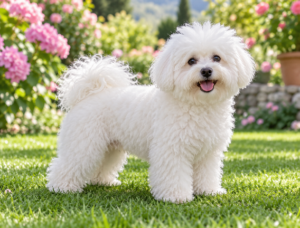 The Bolognese is a small, affectionate dog recognised by its beautiful white, fluffy coat and gentle personality. These loyal companions enjoy a peaceful home environment and form strong attachments to their owners. They require moderate exercise but considerable coat maintenance. Regular brushing is essential to prevent knots and matting, and professional grooming may be helpful. Because they enjoy human companionship, Bolognese dogs may struggle when left alone for extended periods. Best suited to: People seeking a calm, affectionate indoor companion who have time for regular grooming and attention.
12. Cocker Spaniel: The Friendly Family Favourite
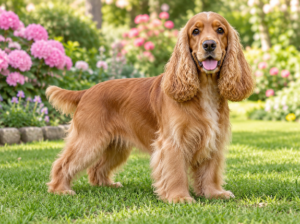 Cocker Spaniels are cheerful, intelligent and affectionate dogs known for their beautiful coats and long, feathered ears. They generally enjoy family activities, daily walks and interactive play. Their friendly personalities make them popular companions, although they require regular exercise and mental stimulation. Their coats need frequent brushing and professional grooming, often every six to eight weeks. Their ears also require regular checking and care. Best suited to: Active families who can provide companionship, daily exercise and regular grooming.
13. Coton de Tulear: The Happy Little Charmer
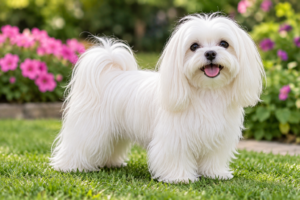 The Coton de Tulear is a small, playful companion dog with a distinctive soft, cotton-like coat. These affectionate dogs are intelligent, sociable and often adaptable to apartment living. They enjoy moderate exercise, games and spending time with their families. Although they shed relatively little, their coats require frequent brushing to prevent tangles and matting. Owners may choose regular professional grooming to make coat maintenance easier. Best suited to: People wanting a cheerful, affectionate small dog who can provide regular companionship and grooming.
14. French Bulldog: The Affectionate Apartment Companion
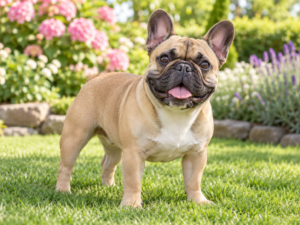
French Bulldogs are compact, affectionate dogs with distinctive upright ears and playful personalities. Their short coats need minimal grooming, and they enjoy gentle daily exercise and companionship. However, they are prone to breathing difficulties, overheating, spinal problems and other inherited health conditions that may require costly veterinary care. Best suited to: Owners who understand their health risks and can provide a cool environment, appropriate care and regular companionship.
15. Lhasa Apso: The Independent Little Watchdog
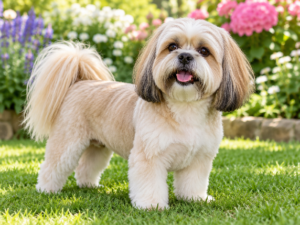 The Lhasa Apso is a small, confident breed originally developed in Tibet as an alert companion and watchdog. These intelligent dogs are loyal to their families and often display a more independent personality than many other small companion breeds. Their exercise requirements are moderate, making them adaptable to different living environments. However, their long coats need frequent brushing and maintenance. Many owners choose shorter practical clips and professional grooming approximately every four to eight weeks. Best suited to: Owners seeking a loyal, relatively independent small dog who can commit to regular grooming and consistent training.
15 Cat Breeds for Busy Pet Lovers
Cats can sometimes be more compatible with busy schedules because they generally do not need daily outdoor walks like dogs.
However, every cat requires appropriate feeding, fresh water, clean litter trays, exercise opportunities, enrichment, affection and veterinary care.
Some cats enjoy quiet independence, while others prefer frequent human companionship.
1. British Shorthair: The Calm and Independent Companion
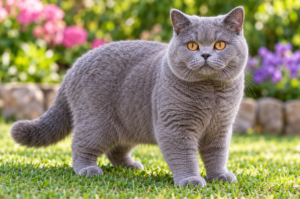 British Shorthairs are known for their rounded appearance, dense coats and generally calm personalities. Many enjoy affection without constantly demanding attention and are content to spend time relaxing in comfortable surroundings. Their plush coats benefit from regular brushing, especially during seasonal shedding. Best suited to: People looking for a calm indoor companion with manageable grooming needs.
2. Russian Blue: The Quiet and Elegant Cat
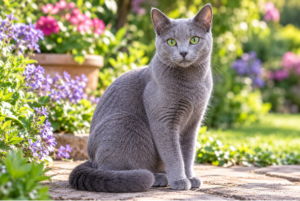 Russian Blues are recognised by their beautiful blue-grey coats, bright green eyes and graceful appearance. They are often reserved with strangers but affectionate with familiar family members. Their short, dense coats are relatively easy to maintain, and many appreciate predictable household routines. Although some cope well with periods alone, daily attention, play and mental stimulation remain essential. Best suited to: People looking for a quieter companion in a settled household.
3. American Shorthair: The Easygoing Family Cat
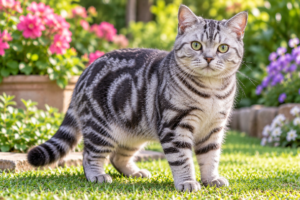 American Shorthairs are generally adaptable, playful and affectionate cats. Their short coats require relatively simple grooming, making them appealing to owners who prefer less coat maintenance. They enjoy interactive toys, climbing opportunities and comfortable resting areas. Their individual personalities vary, so choosing a cat suited to your household is important. Best suited to: Families and individuals wanting an adaptable cat with straightforward grooming requirements.
4. Maine Coon: The Gentle Giant
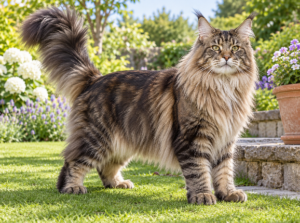 Maine Coons are large, friendly cats admired for their affectionate personalities and impressive appearance. Many enjoy companionship while retaining a degree of independence. However, their long, thick coats require regular brushing to prevent tangles and matting. Their larger size can also mean additional expenses for food, bedding, scratching posts and other equipment. Best suited to: People wanting a sociable cat who have time for regular grooming.
5. Ragdoll: The Affectionate Family Companion
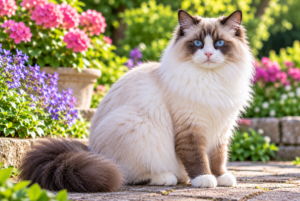 Ragdolls are known for their beautiful blue eyes, silky coats and generally gentle temperaments. Many enjoy following their owners around the home and spending time close to family members. Their semi-long coats require regular brushing, although grooming needs vary between individuals. Because Ragdolls are often highly sociable, they may not be comfortable with extended periods of isolation. Best suited to: Households where regular human companionship is available.
6. European Shorthair: The Adaptable Companion
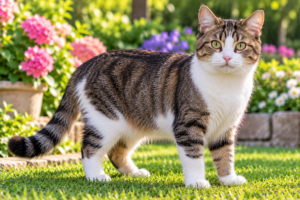 European Shorthairs are generally adaptable cats with relatively uncomplicated grooming needs. Their short coats benefit from occasional brushing, and many enjoy a balance of playtime and quiet relaxation. These cats can have a wide range of personalities, from outgoing and affectionate to more independent and reserved. Best suited to: Owners seeking an adaptable, short-coated companion whose individual temperament suits their lifestyle.
7. Chartreux: The Quiet French Charmer
The Chartreux is a striking blue-grey cat recognised by its dense coat, copper-coloured eyes and generally calm disposition. These cats are often affectionate without being excessively demanding and may enjoy peaceful household routines. Their thick, woolly coats benefit from regular brushing, especially during shedding periods. Best suited to: People looking for a relatively quiet companion with moderate grooming needs.
8. Burmese: The Loving and Playful Friend
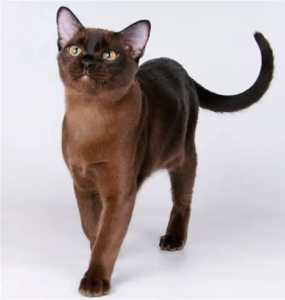
Burmese cats are affectionate, intelligent and playful companions that form strong bonds with their families. Their short, glossy coats require minimal grooming. They are highly sociable and can be very vocal, sometimes producing loud, persistent, piercing calls when seeking attention. They need regular companionship, play and stimulation and may become unhappy if left alone for long periods. Best suited to: Families who enjoy an affectionate, talkative cat and can provide plenty of attention and companionship.
9. Bombay: The Affectionate Miniature Panther
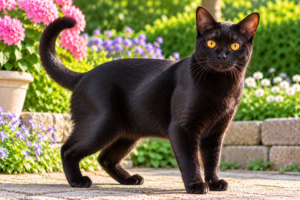 With its glossy black coat and golden or copper-coloured eyes, the Bombay is an eye-catching and affectionate companion. These cats are generally playful, intelligent and people-oriented. Their short coats need relatively little grooming, but their desire for companionship means daily play and interaction are important. Best suited to: Owners looking for a low-grooming, affectionate cat who can provide regular attention.
10. Exotic Shorthair: The Gentle Plush-Coated Companion
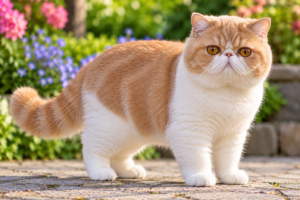 Exotic Shorthairs are known for their rounded faces, soft dense coats and generally gentle personalities. Their coats are shorter than those of Persian cats, although regular brushing remains important. Because of their flattened facial features, Exotic Shorthairs may experience breathing, eye and dental problems, sometimes requiring additional veterinary treatment. Their health requirements and potential expenses should be carefully considered before adoption. Best suited to: People wanting a generally calm companion who can accommodate its grooming and potential medical needs.
11. Norwegian Forest Cat: The Gentle Woodland Companion
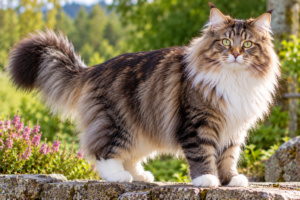 The Norwegian Forest Cat is a large, affectionate breed known for its thick, water-resistant coat and impressive appearance. These cats are generally calm, intelligent and enjoy a balance of companionship and independence. Their long coats require regular brushing, particularly during seasonal shedding. They also appreciate climbing spaces and opportunities for play. Best suited to: Households wanting a gentle, adaptable cat with room for activity and time for regular grooming.
12. Siberian Cat: The Playful and Affectionate Companion
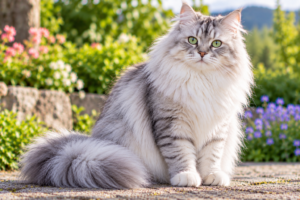 Siberian cats are intelligent, friendly and playful animals with beautiful, thick coats. They often develop strong relationships with their families while maintaining a degree of independence. Their dense coats need regular brushing, especially during shedding seasons, and they enjoy climbing, exploring and interactive games. Best suited to: Families who can provide companionship, mental stimulation and ongoing coat care.
13. Korat: The Elegant and Loyal Companion
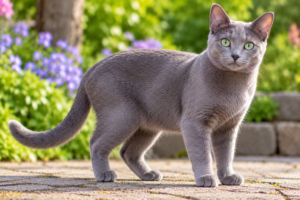 The Korat is a beautiful silver-blue cat originating from Thailand, recognised by its heart-shaped face and large green eyes. Korats are intelligent, affectionate and often form close bonds with their owners. Their short coats require relatively little grooming, although they appreciate a stable environment and regular interaction. Best suited to: People seeking a loyal, relatively low-grooming companion in a settled household.
14. Abyssinian: The Energetic Little Explorer
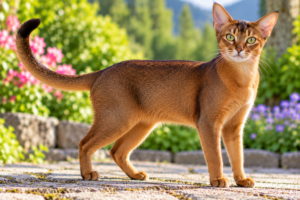 Abyssinians are elegant, athletic cats with short, ticked coats and curious personalities. Their coats are easy to maintain, but they are highly active and enjoy climbing, exploring and interactive play. They need plenty of mental stimulation and are not necessarily suitable for owners who are frequently away from home. Best suited to: Active households wanting an intelligent, playful cat with minimal coat maintenance.
15. Oriental Shorthair: The Intelligent and Sociable Companion
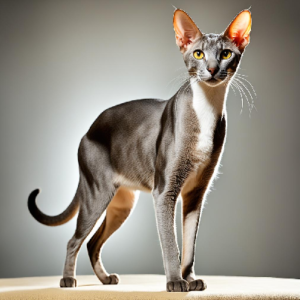
Oriental Shorthairs are slender, elegant cats known for their large ears, expressive personalities and wide variety of coat colours. Their short coats require minimal grooming, but they are highly sociable and often vocal. They enjoy interactive play and close relationships with their families and may become unhappy if regularly left alone for long periods. Best suited to: Households seeking an affectionate, interactive cat where regular companionship is available.
Don’t Overlook the Everyday Domestic Cat
Some of the most wonderful pets are not pedigree animals at all. Domestic short-haired and mixed-breed cats can make affectionate, adaptable and rewarding companions. Many animal shelters have adult cats whose personalities and care requirements are already reasonably well understood. An independent adult rescue cat may be better suited to a busy household than a highly sociable pedigree kitten.
Rather than choosing solely by appearance or breed, consider adopting an animal whose individual temperament matches your lifestyle.
Grooming and Coat Maintenance
An important consideration when choosing a pet is the time and money required for grooming.
Short-haired dogs and cats generally have simpler grooming needs, although regular brushing, nail care and dental hygiene are still necessary.
Long-haired cats need frequent brushing to prevent tangles and matting.
Certain dog breeds, particularly those with continuously growing coats, may require professional grooming or clipping approximately every four to eight weeks.
Before choosing a pet, consider both the time involved and the ongoing expense of keeping its coat healthy.
Remember that low shedding does not necessarily mean low maintenance.
Health and Veterinary Costs
Even generally healthy pets need routine veterinary care.
Owners should budget for vaccinations, parasite prevention, dental care, appropriate nutrition and regular health examinations.
Some breeds have inherited health concerns that can require specialist treatment.
For example, short-muzzled breeds may experience breathing problems, while Dachshunds can be prone to spinal conditions.
Pet insurance or a dedicated savings fund may help manage unexpected veterinary expenses.
Choosing a pet should involve considering its likely lifetime costs, not simply the initial purchase or adoption fee.
Practical Tips for Busy Pet Owners
Establish a Daily Routine
Consistent feeding times, exercise, play and rest help animals feel secure.
Provide Mental Stimulation
Puzzle feeders, interactive toys, scratching posts and climbing structures can keep pets occupied and reduce boredom.
Arrange Help When Necessary
Dog walkers, pet sitters, trusted friends and suitable boarding facilities can help when work or travel keeps you away.
Create a Safe and Comfortable Environment
Ensure your pet always has access to fresh water, suitable resting places and appropriate facilities.
Make Time for Companionship
Every pet needs meaningful interaction. A busy schedule should still allow time for affection, training and play.
Consider Adopting an Adult Animal
A settled adult dog or cat may be more suitable than a puppy or kitten requiring substantial training, supervision and socialisation.
Frequently Asked Questions
Can Someone Who Works Full-Time Own a Pet?
Yes, provided the animal’s physical, emotional and social needs can be met.
Some adult pets adapt well to predictable schedules, while others need additional daytime companionship or care.
How Long Can Dogs Be Left Alone?
This varies depending on age, health, temperament and training.
As a general guide, many adult dogs should not routinely be left alone for more than approximately four hours without suitable arrangements for their care, exercise or toileting.
Puppies, senior dogs and animals with health or behavioural concerns may need more frequent attention.
Are Cats Easier to Care for Than Dogs?
Cats may be more flexible in some households because they do not generally require outdoor walks.
However, they still need daily feeding, litter care, enrichment, companionship and veterinary attention.
Should Busy People Choose Puppies or Kittens?
Young animals require considerable time for feeding, training, supervision and socialisation.
A settled adult rescue animal may be a better option for someone with a demanding schedule.
Are Automatic Feeders and Pet Cameras Helpful?
Automatic feeders, water fountains and pet cameras can be useful tools for managing pet care.
However, technology cannot replace human companionship, exercise, veterinary attention or appropriate supervision.
Does a Low-Shedding Pet Require Less Grooming?
Not necessarily.
Some low-shedding dogs have coats that grow continuously and need regular brushing and professional clipping.
Always investigate a breed’s grooming requirements before adopting.
Conclusion: Choosing the Right Companion for Your Lifestyle
Welcoming a pet into your home is a rewarding experience, but it is also a long-term responsibility.
The best companion for a busy person is not necessarily the smallest, quietest or most independent breed. It is the animal whose individual personality and care requirements fit comfortably into the owner’s lifestyle.
By considering exercise, grooming, health, companionship and ongoing expenses, you can make an informed decision that benefits both you and your future pet.
Whether you choose a relaxed Greyhound, an affectionate Chihuahua, a calm British Shorthair or a loving rescue animal, the right companion can bring years of happiness, comfort and unconditional affection.
At AllPetWellness, we believe every pet deserves a loving home where its needs are understood and its wellbeing always comes first.