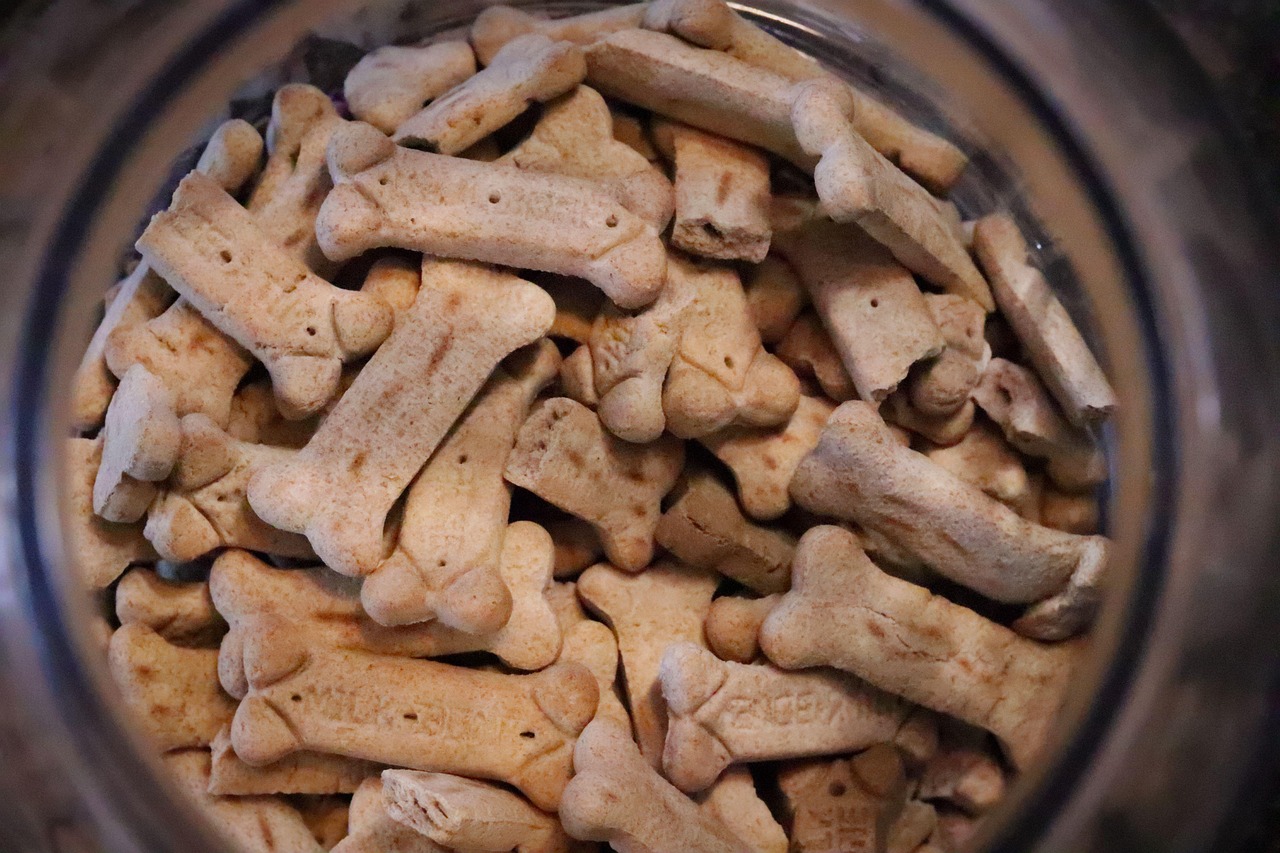
Puppy Feeding Guide: Optimal Daily Portions
Bringing a new puppy home comes with a blend of joy and responsibility. Among the crucial aspects of caring for your new furry friend is understanding the proper nutrition needed for their growth and health. This guide will dive into optimizing daily portions for your puppy, highlighting the importance of balanced diet, frequency of meals, and the transition into adult food. We’ll ensure that your puppy is on the path to a happy, energetic, and healthy life.
Understanding Puppy Nutrition Needs
Puppy nutrition is engineered around their rapid growth rates and the need for energy and development. Unlike adult dogs, puppies require more protein, fat, and certain vitamins and minerals to support their development. The optimal diet for a puppy promotes healthy bones, teeth, muscles, and fur, and it also supports their energetic lifestyle.
Key Nutrients for Puppies
The key nutrients that every puppy diet should contain include:
- Protein: Crucial for body growth and repair.
- Fat: Provides energy and aids in brain development.
- Carbohydrates: Necessary for energy and healthy digestion.
- Vitamins and Minerals: Essential for immune system health and certain bodily functions.
It’s important to opt for high-quality puppy formulas that cater to these needs in balanced proportions to avoid over or under-feeding certain nutrients.
Calculating the Right Amount of Food
Feeding the right amount of food is pivotal. Overfeeding can lead to obesity and related health problems, while underfeeding can prevent your puppy from getting the nutrients they need for growth and energy.
Factors Influencing Food Amount
The amount of food your puppy needs can depend on several factors including:
- Breed Size: Smaller breeds generally consume less than larger breeds but need more calorie-dense foods.
- Age: Puppies need meals more frequently than adult dogs, and the amount changes as they grow.
- Activity Level: Highly active puppies require more calories than less active ones.
- Health Conditions: Some puppies may have specific dietary needs based on health conditions.
Feeding Schedule
Young puppies typically need to eat three to four times a day. As they grow, their feeding times can reduce. By the time they reach adulthood, they should be comfortable with two meals a day. Always ensure fresh water is available throughout the day.
Choosing the Right Puppy Food
With countless options on the market, selecting the right puppy food can seem daunting. Key considerations should include:
- Label Check: Look for foods labeled as “complete and balanced.” This means the food meets the nutritional levels established by the AAFCO.
- Ingredient Quality: High-quality ingredients ensure better nutritional profiles and digestibility.
- Breed-Specific Formulas: Some brands offer food tailored to specific breed sizes and growth rates, which can be beneficial.
Wet Food vs. Dry Food
Both wet and dry foods have their benefits. Wet food can be more palatable and easier for puppies to eat while also providing hydration. Dry food helps maintain dental health and is often more economical. Many owners opt for a combination of both to balance the benefits.
Transitioning to Adult Dog Food
Transitioning your puppy to adult dog food is a critical step that should be handled with care. This usually happens around 12 months for most breeds, but large breed dogs may continue on puppy formulas a bit longer due to their longer growth period.
Steps for a Smooth Transition
To prevent digestive upset, it’s important to gradually transition by mixing in adult food with puppy food over the course of a week or more, gradually increasing the amount of adult food while decreasing the amount of puppy food.
Common Questions about Puppy Feeding
How Often Should I Feed My Puppy?
Puppies aged 8 to 12 weeks should eat four times daily. From three to six months, reduce this to three meals a day. Once they’re six months old, twice a day is sufficient.
Can Puppies Eat Adult Dog Food?
It is not recommended to feed puppies adult dog food. Puppy food is specifically formulated to support growth and development which adult food might lack.
How Do I Know If I’m Feeding My Puppy Enough?
Monitor your puppy’s growth and health. If they are active, healthy, and their weight is in a good range according to your vet, you are likely on the right track. A visible waist and palpable ribs, without excess fat, indicate proper weight.
Conclusion
Feeding your puppy involves more than just choosing the right food and measuring the correct portions. It requires consistency, awareness of their growth, and an adjustment of portions as they mature. By following this guide, you’ll provide your puppy with the strong nutritional foundation required for a healthy and happy life. Always consult with a vet for tailored advice and to address any specific health concerns.