Tiny Titans: Exploring the World of Smallest Dog Breeds
The world of the tiniest dog breeds is filled with surprises, charm, and boundless love. These pint-sized pups often fit in the palm of your hand but come with huge personalities and plenty of heart. In this exploration into the world of the smallest dog breeds, we’ll uncover characteristics, care needs, and why they make perfect companions for many. Whether you’re considering adopting one of these mini marvels or simply love learning about different dog breeds, read on to discover these incredible tiny titans.
What Defines a Small Dog Breed?
Understanding Size and Breed
Small dog breeds come in a wonderful variety of shapes, sizes and personalities. While the tiniest toy breeds may weigh just 2–4 kilograms, many popular small companion dogs weigh between 4 and 10 kilograms, with some slightly larger. What they share is their relatively compact size, which often makes them suitable for smaller homes and apartment living. However, every breed has different exercise, grooming and companionship needs, so choosing the right dog involves much more than size alone.
Iconic Small Dog Breeds You Need to Know
1. Chihuahua: The Tiny Treasure
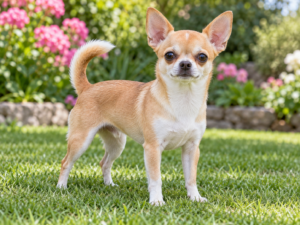 Originating from Mexico, Chihuahuas are one of the smallest dog breeds, known for their bold personality and loyalty. While both short-haired and long-haired varieties exist, the short-haired Chihuahua is one of the most commonly recognised. Their smooth coat is easier to maintain, and their alert, confident nature makes them a popular companion dog.
2. Pomeranian: The Pint-Sized Pom
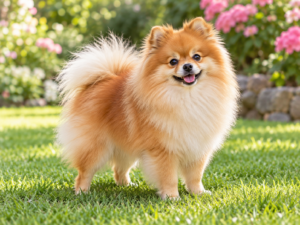 Known for their fluffy coats and fox-like expressions, Pomeranians are charismatic and lively. Their alertness makes them excellent watchdogs despite their small size.
3. Toy Poodle: The Intelligent Miniature
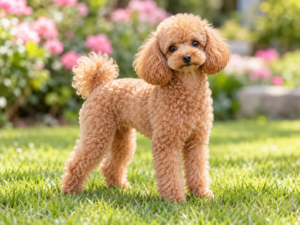 Toy Poodles are miniature versions of the standard Poodle, boasting high intelligence and a low-shedding curly coat, which makes them especially popular among allergy sufferers. They are active and excel in various dog sports.
4. Yorkshire Terrier: The Tiny Trendsetter
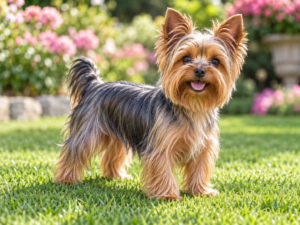 Often adorned with bows and stylish outfits, Yorkshire Terriers pack a ton of personality into a compact size. They were originally bred to catch rats in mills but are now beloved companions.
5. Shih Tzu: The Little Lion Dog
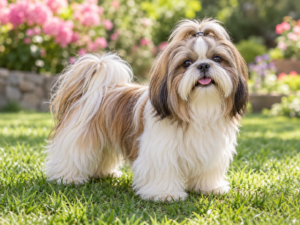 Known for their beautiful flowing coats and cute faces, Shih Tzus are affectionate and sociable, ideal for families with children, and adjust well to different living environments.
6. Bichon Frise: The Cheerful Little Companion
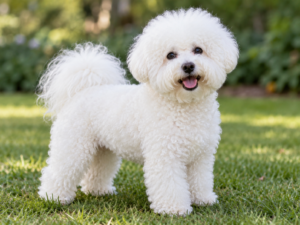 With its fluffy white coat, dark expressive eyes and happy personality, the Bichon Frise is an affectionate little dog that loves being part of family life. Originally popular as a companion dog in Europe, this playful breed enjoys attention, games and plenty of cuddles. Bichons are intelligent, sociable and generally respond well to gentle, consistent training. Their low-shedding coats require regular brushing and professional grooming to prevent matting.
7. Maltese: The Elegant Little Charmer
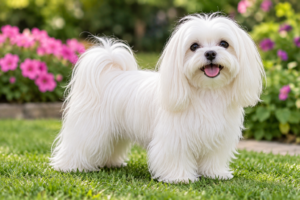 The Maltese is a delightful toy breed recognised by its beautiful, silky white coat and affectionate nature. Despite its delicate appearance, the Maltese is surprisingly lively, confident and full of personality. These dogs thrive on companionship and often form strong bonds with their owners. Their small size makes them well suited to apartment living, provided they receive daily exercise and attention. Regular grooming is essential to keep their coats healthy and free of tangles.
8. Cavalier King Charles Spaniel: The Gentle Aristocrat
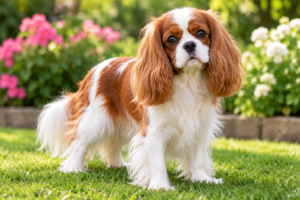 With its soft expression, beautiful feathered ears and affectionate temperament, the Cavalier King Charles Spaniel has become a much-loved family companion. These gentle dogs enjoy being close to their owners and are often friendly with children and other pets. Although slightly larger than some toy breeds, Cavaliers are wonderfully adaptable and enjoy both relaxed family time and daily walks. Prospective owners should be aware of the breed’s inherited heart and neurological health concerns.
9. Papillon: The Butterfly-Eared Beauty
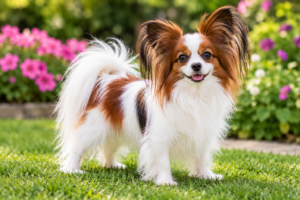 Named after the French word for butterfly, the Papillon is instantly recognisable by its large, beautifully fringed ears. This tiny breed is exceptionally intelligent, energetic and eager to learn. Papillons frequently excel in obedience and agility activities despite their small stature. They enjoy spending time with their families and benefit from regular mental stimulation. Their long, silky coats need brushing, although grooming is generally manageable.
10. Havanese: Cuba’s Happy Little Dog
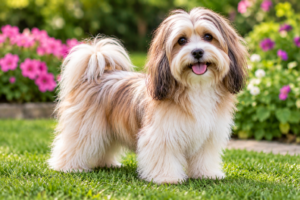 The Havanese is a charming, affectionate breed known for its friendly disposition and soft, flowing coat. Originating in Cuba, these cheerful little dogs were bred primarily as companions and remain happiest when included in everyday family activities. They are playful, intelligent and generally get along well with other pets. Their adaptable personalities make them suitable for many households, although they dislike being left alone for extended periods. Regular coat care is important.
11. Miniature Dachshund: The Little Dog with a Big Attitude
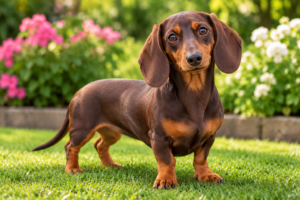 With its distinctive long body, short legs and curious expression, the Miniature Dachshund is instantly recognisable. Originally developed in Germany for hunting, these little dogs are courageous, clever and full of character. Dachshunds are loyal companions who enjoy exploring, playing and spending time with their families. Their independent nature can make training challenging, but patience and positive reinforcement work well. Special care is needed to protect their backs from injury.
12. Brussels Griffon: The Expressive Little Character
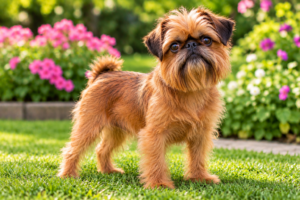 The Brussels Griffon is a small dog with an unforgettable face and a wonderfully entertaining personality. Originally bred in Belgium, this spirited breed is known for its intelligence, loyalty and strong attachment to its owners. Brussels Griffons often enjoy being the centre of attention and make affectionate companions. Their grooming needs depend on whether they have a smooth or rough coat. Because of their short muzzles, owners should take particular care in hot weather.
13. Italian Greyhound: The Graceful Miniature Athlete
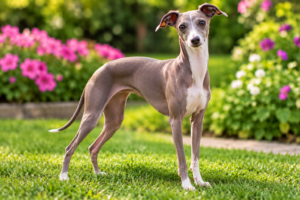 Elegant, slender and affectionate, the Italian Greyhound resembles a miniature version of its larger Greyhound relatives. These gentle dogs love warmth, comfortable beds and close companionship. Although they enjoy bursts of energetic play, they are equally happy relaxing beside their owners. Their short coats require very little grooming, but their delicate legs can be vulnerable to fractures, particularly when young. They also appreciate warm clothing during colder weather.
14. Japanese Chin: The Regal Little Companion
The Japanese Chin is a graceful toy breed with a silky coat, expressive eyes and an appealingly independent personality. Historically associated with Asian royal households, these dogs are affectionate, gentle and often described as having catlike habits. They enjoy companionship and are generally content with moderate daily exercise. Regular brushing helps maintain their beautiful coats. Their short muzzles also mean they can be sensitive to heat.
15. Toy Fox Terrier: The Spirited Little Adventurer
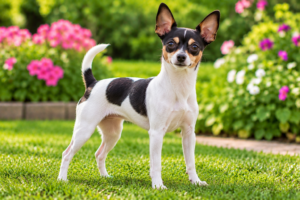 Small, athletic and bursting with confidence, the Toy Fox Terrier combines the lively personality of a terrier with the affectionate qualities of a companion dog. These intelligent dogs enjoy learning tricks, playing games and exploring their surroundings. Their smooth, short coats are easy to maintain, making grooming relatively simple. Although they are tiny, Toy Fox Terriers need regular exercise, mental stimulation and consistent training to keep them happy.
Health and Care for Small Dog Breeds
Diet and Nutrition
Small dog breeds require diets rich in nutrients with appropriately sized kibble to accommodate their smaller mouths. Feeding them high-quality food will affect their overall health, vitality, and coat quality.
Exercise Needs
Despite their small stature, many tiny dogs are energetic and need regular exercise. Daily walks and playtime are crucial, but keep the physical capacities of your petite pet in mind to avoid exhaustion.
Health Concerns
Smaller dog breeds often face specific health challenges such as dental issues due to their small mouths, hypoglycemia, and bone fractures. Regular vet check-ups are essential to monitor and manage these conditions.
Grooming and Coat Maintenance
While small dogs may be easier to accommodate in the home, some breeds require considerable grooming and ongoing expense. Long-haired and continuously growing coats, particularly those of Bichon Frises, Maltese, Toy Poodles and Havanese, often need professional grooming or clipping every 4–8 weeks.
Regular brushing between appointments is essential to prevent painful mats and tangles. Owners should consider the time and cost of grooming before choosing one of these breeds.
Short-haired breeds generally require less coat maintenance, although all dogs benefit from regular brushing, nail trimming, ear care and dental hygiene.
Popular Questions About Small Dog Breeds
Are Small Dog Breeds Good for Families?
Yes, many small dog breeds are excellent for families. They can adapt quickly to a variety of living situations and are usually very good with children as long as the play is supervised to prevent accidental injuries.
How Long Do Small Dogs Live?
One of the advantages of small dog breeds is their longevity. Many can live into their late teens or even early twenties, especially when well-cared-for and kept healthy.
What are the Training Needs of Small Dog Breeds?
Don’t let their size fool you; small dogs still need training just like their larger counterparts. Due to their intelligence and sometimes strong-willed nature, consistent training is crucial to ensuring they behave well.
Conclusion
Tiny dog breeds may be small in size, but they are big in personality and companionship. They make ideal pets for a variety of lifestyles, from apartments to large homes with yards, provided their physical and emotional needs are met.
By understanding more about the characteristics of the world’s smallest dog breeds, prospective pet owners can make informed decisions about which breed might best suit their lifestyle. Overflowing with affection, loyalty, and energy, these tiny titans are sure to bring joy and excitement into any home.