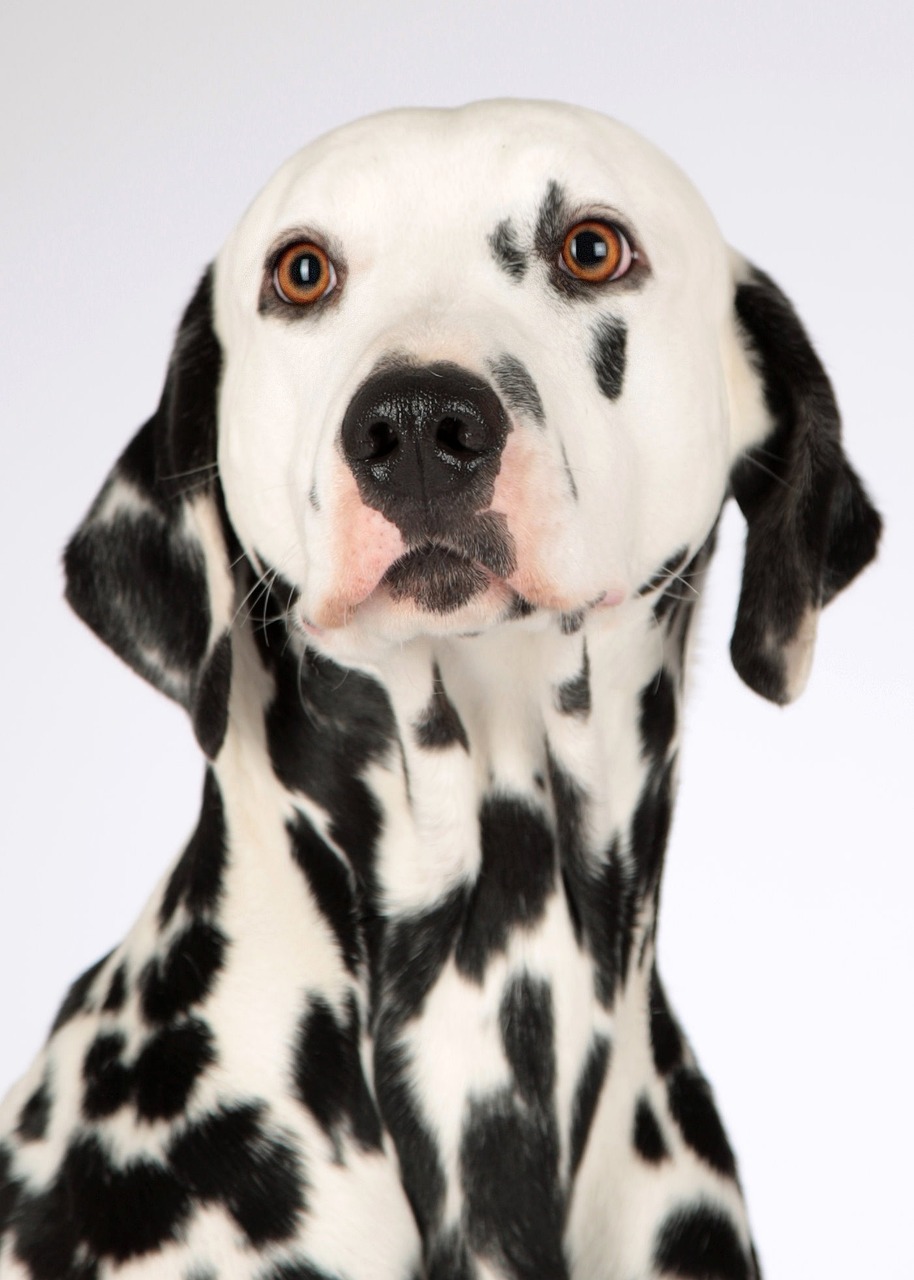
Top Hypoallergenic Dog Breeds: Ideal Companions for Allergy Sufferers
If you’re one of the many individuals grappling with pet allergies but adore dogs, selecting the right breed can significantly affect your quality of life. Hypoallergenic dog breeds may be the solution. These breeds tend to produce fewer allergens than others, making them suitable for allergy sufferers. Below, we explore some of the top hypoallergenic dog breeds, providing insights into their characteristics, care needs, and why they might be the perfect fit for your home.
Understanding Hypoallergenic Dogs
Before diving into the list, it’s important to clarify what “hypoallergenic” means in the context of dogs. No dog breed is 100% hypoallergenic, but some breeds shed less hair and dander—the primary carriers of allergens—than others, reducing potential allergic reactions.
Why Consider Hypoallergenic Dogs?
Opting for a hypoallergenic dog can considerably decrease the amount of allergens in your environment. This choice is vital for maintaining a healthy life free from allergic symptoms like sneezing, asthma, or eczema, which are often aggravated by pet dander.
Top Hypoallergenic Dog Breeds
1. Poodle
Poodles come in three sizes (standard, miniature, and toy) and are one of the most popular hypoallergenic breeds. Known for their intelligence and high trainability, Poodles have a curly coat that retains much of the dander and hair that typically triggers allergies.
2. Bichon Frise
The Bichon Frise is a small breed known for its friendly disposition and a curly coat that helps reduce dander and hair distribution in the environment. They require regular grooming to maintain their coat and keep potential allergens at bay.
3. Portuguese Water Dog
Portuguese Water Dogs are energetic and require considerable exercise. They have a waterproof coat that is relatively hypoallergenic and requires regular grooming. Former President Barack Obama chose this breed for its hypoallergenic traits due to his daughter Malia’s allergies.
4. Schnauzers
Schnauzers come in three sizes—miniature, standard, and giant. All Schnauzers have a wiry double coat that sheds minimally. Regular grooming and stripping the coat help keep it healthy and minimise allergen spread.
5. Scottish Terrier
Known for their distinctive profiles and strong personalities, Scottish Terriers have a wiry coat that doesn’t shed very much. Their dander spread is minimal, but they require consistent grooming.
6. Italian Greyhound
The Italian Greyhound is a smaller cousin of the standard Greyhound and has very short and fine hair, which minimizes the amount of dander they spread. They are often recommended for apartment living due to their small size and quiet nature.
7. Soft Coated Wheaten Terrier
Known for their unique soft, silky coats and vibrant personalities, the Wheaten Terrier sheds very little and adapts well to various lifestyles, making it a versatile choice for many families.
8. Labradoodle
Labradoodles, a crossbreed between Poodles and Labrador Retrievers, typically inherit the Poodle’s hypoallergenic coat. However, it’s important to note that because they are a mixed breed, their coats can vary, and not all Labradoodles will be hypoallergenic.
Caring for Your Hypoallergenic Dog
Grooming and Maintenance
Regular grooming is essential for maintaining hypoallergenic dogs’ coats and minimizing the presence of dander. Depending on the breed, some dogs might require professional grooming services to manage their coats effectively.
Nutrition and Health
Providing a balanced diet rich in essential nutrients helps maintain your dog’s skin health, which can influence dander production. Regular vet checkups are crucial to address any skin issues or allergies that could exacerbate your allergies.
Conclusion
While no dog breed is completely hypoallergenic, the breeds listed above are among the best options for those who suffer from allergies. They provide a compromise, enabling many dog lovers to enjoy companionship without discomfort. When choosing a dog, consider how the breed’s grooming requirements and energy levels fit your lifestyle. Always spend time around the breed if possible before deciding to bring one into your home. Managing allergies while having a pet requires effort, but with the right practices and the perfect furry friend, it’s entirely possible to live happily and healthily together.